

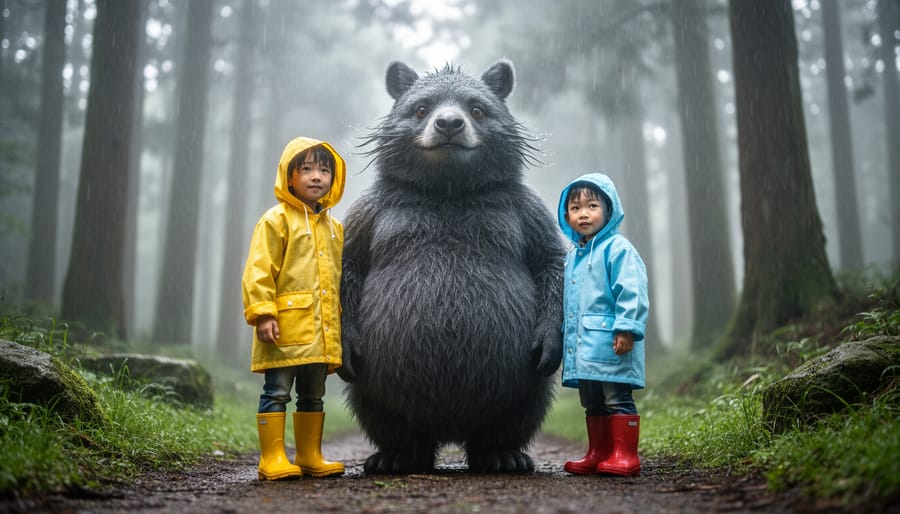
Totoro is a beloved forest spirit character from Studio Ghibli’s 1988 animated film “My Neighbor Totoro,” and the name itself is a fictional creation believed to derive from the Japanese word “tororu,” meaning “troll” or “spirit.” While the word carries no single literal translation, Totoro has grown to symbolize comfort, nature, childhood wonder, and the quiet magic found in everyday life.
For writers, understanding Totoro’s meaning offers a masterclass in creating symbols that transcend their original context. Director Hayao Miyazaki crafted this giant, friendly guardian spirit, inspired by raccoon dogs and cats, to represent the animism and Shinto beliefs woven through rural Japan. The character appears in a story about two sisters, Satsuki and Mei, who discover friendly wood spirits after moving to the countryside in postwar Japan. Through themes of environmentalism, resilience, and the beauty of simple moments, Totoro became more than a character. He evolved into Studio Ghibli’s official mascot and one of the most recognizable figures in global popular culture.
What makes Totoro particularly valuable for aspiring writers is how Miyazaki embedded meaning without explicit explanation. The film never defines what Totoro is or why he exists. Instead, audiences understand his significance through action, atmosphere, and emotion, a technique that elevates story openings and character introductions from functional to unforgettable. This article explores the etymology, symbolism, and cultural resonance of Totoro, then shows you how to apply these storytelling principles to your own creative work.
What Does the Name Totoro Mean?
The name Totoro isn’t a word you’ll find in any Japanese dictionary. Studio Ghibli invented it specifically for the character in the 1988 film “My Neighbor Totoro,” and that creative choice was deliberate. Rather than picking an established term with fixed meanings and associations, director Hayao Miyazaki crafted a name that could mean whatever the story needed it to mean.
The etymology offers some clues about what inspired the sound. Totoro is believed to derive from “tororu,” a Japanese word interpreted as “troll” or “spirit.” That connection makes sense when you consider what the character represents in the film: a giant, friendly forest spirit who lives in an ancient camphor tree and serves as guardian to two young sisters exploring the countryside. The phonetic similarity suggests something otherworldly yet approachable, mysterious yet unthreatening.
- Totoro
- A fictional character name created for Studio Ghibli’s 1988 film, now recognized worldwide as the studio’s mascot. The name has no direct Japanese translation but evokes comfort, nature, and childhood wonder.
- Tororu
- The likely etymological root of Totoro, meaning “troll” or “spirit” in Japanese. This connection links the character to folklore traditions while maintaining creative flexibility.
- Forest Spirit
- The classification of Totoro within the film’s world, identifying him as a supernatural guardian of nature inspired by raccoon dogs and cats. Forest spirits in Japanese tradition embody the animistic belief that natural places possess protective energies.
What makes the name work so beautifully is its intentional ambiguity. Totoro sounds right without needing to mean anything specific. The rounded vowels and repetitive syllables create a feeling of warmth and safety, like a lullaby or a child’s first attempt at pronunciation. You can almost hear comfort in the way the word rolls off your tongue. This vagueness allows the character to transcend language barriers, becoming whatever viewers need: protector, friend, embodiment of nature, or symbol of childhood itself. The name feels both familiar and magical precisely because it wasn’t constrained by existing definitions.
The Character Behind the Name: Who Totoro Really Is
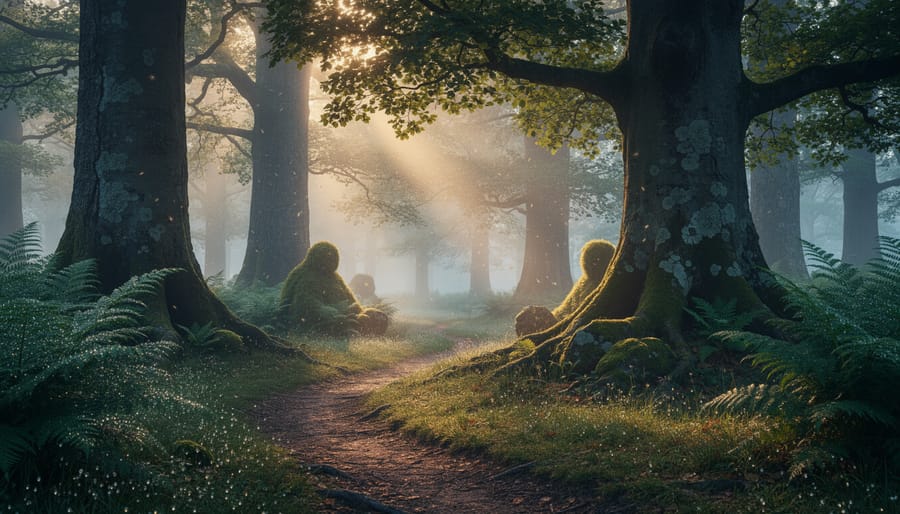
Totoro stands as one of cinema’s most beloved guardians, a towering, soft-bodied forest spirit whose very presence transforms the ordinary countryside into a realm of magic. In Hayao Miyazaki’s 1988 film, he appears to sisters Satsuki and Mei after they move with their father to rural Japan while their mother recovers from illness. The story unfolds in postwar Japan, a time when the country was rebuilding and the old ways of village life were beginning to fade. Totoro exists as a bridge between worlds: visible only to children and those who retain a child’s capacity for wonder, he embodies the ancient spirits of nature that Japanese folklore suggests inhabit forests, rivers, and sacred spaces.
The character’s design reflects this layered symbolism. Miyazaki drew inspiration from tanuki (Japanese raccoon dogs) and cats, blending their rounded bodies, expressive eyes, and endearing mannerisms into something entirely new. Totoro’s defining features include:
- A massive, grey body with a cream-colored belly that suggests both strength and softness
- Wide, unblinking eyes that convey curiosity without judgment
- Pointed ears and whiskers that hint at his animal origins
- A relationship with nature so deep he can make trees sprout instantly and summon the Catbus
- A protective role that never becomes intrusive, he helps when needed but respects the girls’ autonomy
He doesn’t speak in human language, doesn’t explain himself, and makes no demands. His roar sounds like wind through leaves.
What makes Totoro work as a narrative element is his restraint. He isn’t a problem-solver who fixes everything; rather, he offers moments of pure joy and connection that help the sisters process their anxiety about their mother’s health. When Mei gets lost searching for the hospital, Totoro helps Satsuki find her, not by lecturing or rescuing, but by facilitating the journey. This approach reflects Shinto animism, where spirits exist alongside humans without hierarchy, and environmentalism emerges naturally from the film’s reverence for the forest. Totoro doesn’t represent nature; he is nature, ancient and patient, reminding viewers that wonder requires only openness and a willingness to see what’s actually there.
Different Forms of Totoro in the Story
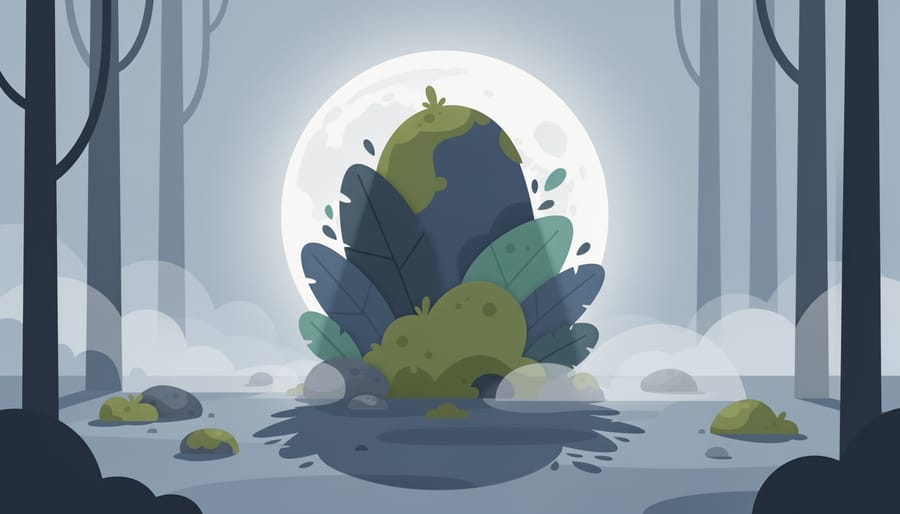
The film introduces three distinct Totoro spirits, each varying in size, color, and temperament. These forest guardians appear together and separately throughout the story, forming a hierarchy that mirrors the layered nature of the woods themselves and the gradations of childhood perception.
The three Totoros embody different facets of the natural world and imagination:
- O-Totoro (King Totoro): The large grey spirit standing over seven feet tall, serves as the primary guardian and most iconic figure. His massive presence and deep voice convey ancient wisdom and protective strength.
- Chu-Totoro (Medium Totoro): The mid-sized blue spirit acts as a playful intermediary between the smallest and largest. Often seen carrying a sack, he represents curiosity and the spirit of exploration.
- Chibi-Totoro (Little Totoro): The tiny white spirit, barely visible at times, embodies fleeting magic and the delicate mysteries children notice but adults overlook. He’s the first Totoro Mei encounters, leading her deeper into the forest.
Together, the three spirits function as a complete ecosystem of wonder. Chibi-Totoro draws the girls into the magical realm, Chu-Totoro sustains their journey through the woods, and O-Totoro provides shelter, transportation, and ultimate protection. This progression mirrors how children’s imaginations work, starting with small discoveries that lead to medium adventures and culminate in grand, transformative experiences. The size differences also suggest that magic exists at every scale in nature, from the barely perceptible rustle of leaves to the commanding presence of ancient trees. Writers can observe how this trio demonstrates that meaningful characters don’t always need extensive dialogue or backstory; sometimes presence, design, and symbolic weight carry the narrative.
How Totoro Is Used Today: From Film Character to Cultural Symbol
Totoro has transcended his origins in a single 1988 film to become Studio Ghibli’s official mascot and one of the most recognizable characters in animation worldwide. The forest spirit’s image appears on merchandise, theme park installations, and countless fan creations, but his symbolic weight extends far beyond commercial success. Today, Totoro represents a quiet rebellion against urbanization and the loss of childhood wonder, a gentle reminder that nature holds magic worth protecting.
Writers and creators consistently invoke Totoro when exploring themes of environmental stewardship and our relationship with the natural world. The character embodies a worldview where forests are sacred, spirits dwell in ancient trees, and humanity coexists with nature rather than dominating it. This makes Totoro particularly resonant in contemporary storytelling about climate anxiety and ecological loss. When a creator references Totoro, they’re often signaling a commitment to stories that honor the earth and recognize our interdependence with living systems.
The character also serves as shorthand for childhood innocence and the particular joy of rural living. References to Totoro in fiction, essays, and creative work often signal nostalgia for simpler times, for running through fields and discovering secret worlds in ordinary places. For the writing community, Totoro models how a character can carry complex cultural themes while remaining accessible and emotionally immediate. He demonstrates that guardians need not be fierce to be powerful, and that wonder itself can be a form of protection.
Contemporary creators frequently cite Totoro when discussing comfort characters, figures whose presence soothes anxiety and grounds us in a sense of safety. His round, soft form and patient demeanor offer a counterpoint to aggressive, loud protagonists. This has made Totoro a touchstone for writers crafting stories about healing, home, and the small moments that matter most.
Why Totoro’s Meaning Matters for Writers
Totoro offers writers a master class in character design that transcends cultural boundaries. By examining how Miyazaki crafted this forest spirit, you can extract principles that strengthen your own storytelling, whether you’re building fantasy worlds, grounding contemporary fiction in place, or seeking to symbolic twists that resonate emotionally.
The character demonstrates how archetypal figures can carry complex themes without becoming didactic. Totoro functions as guardian, nature spirit, and embodiment of childhood wonder simultaneously. He never explains himself, yet readers across generations understand his purpose. This restraint teaches writers to trust their audience: show the mentor’s presence through action and atmosphere rather than exposition.
Consider what Totoro reveals about naming:
- Names can sound right without requiring literal translation, “Totoro” feels soft, round, and approachable in any language
- Archetypal characters gain power from symbolic roles rather than detailed backstories
- Nature itself can function as a character when imbued with personality and agency
- Culturally-specific details (rural Japan, Shinto imagery) paired with universal emotions (fear of loss, joy in discovery) create stories that travel globally
The forest spirit’s success stems from specificity married to accessibility. Miyazaki rooted Totoro in Japanese animism and postwar countryside life, yet the longing for magic in ordinary places speaks to everyone. Writers often stumble by either over-explaining cultural context or stripping stories of distinctive detail. Totoro charts the middle path: deeply particular, universally felt.
When developing guardians or mentors in your fiction, ask whether they embody something larger than themselves. Totoro represents the natural world’s benevolence, the safety of home, and the validation of children’s inner lives. Your mentor characters gain depth when they stand for an idea while remaining fully present as individuals. Study how Totoro conveys protection through presence rather than dialogue, and avoid common mistakes like making every guide a chatty explainer. Sometimes the most powerful teachers simply exist beside us, steady and reassuring, like a sleeping creature under a camphor tree.
Common Questions About Totoro’s Meaning
What does Totoro mean in Japanese?
Totoro is a fictional name created for the character with no direct translation in Japanese. The name is believed to derive from “tororu,” which can be interpreted as “troll” or “spirit,” though it was designed to evoke comfort and the mysterious qualities of forest guardians rather than carry a literal meaning.
Where does the name Totoro come from?
The name originated with the 1988 Studio Ghibli film “My Neighbor Totoro,” where it refers to a giant, friendly forest spirit. The character’s name was crafted to sound both familiar and magical, intentionally avoiding a precise definition to preserve the wonder and ambiguity central to the story’s themes of childhood imagination.
Is Totoro based on a real creature from Japanese folklore?
No, Totoro is not a traditional figure from Japanese folklore. The character draws inspiration from real animals like raccoon dogs (tanuki) and cats (neko), and embodies concepts from Shinto animism and nature spirits, but Totoro himself is an original creation specific to the film.
Why is Totoro culturally important?
Totoro has evolved from an animated character into Studio Ghibli’s mascot and most recognizable figure worldwide. The character represents themes of environmental stewardship, childhood innocence, and the connection between humans and nature, resonating across cultures as a symbol of comfort and wonder that transcends language barriers.
Understanding these basics about Totoro’s meaning helps writers grasp how a name without literal translation can carry profound emotional weight. When you’re building characters in your own fiction, consider how sound and association can matter as much as etymology. Doing shadow research into cultural symbols and their origins can deepen your ability to create figures that feel both specific to their world and universally relatable. The name Totoro works because it doesn’t try too hard to explain itself, it simply invites you in.
Totoro’s meaning lives in the space between simplicity and depth. The name sounds exactly like what it should, soft, approachable, a little mysterious. The character delivers comfort and wonder without needing elaborate backstory or explanation. That combination has turned a forest spirit from rural Japan into a symbol that crosses every border, speaking to something universal about childhood, nature, and the guardians we carry with us.
For writers, Totoro offers a masterclass in meaningful character creation. You don’t need a complicated etymology or a ten-page character bible to craft someone memorable. You need resonance. You need a character whose presence feels right, whose name fits their essence, and whose role in the story serves both plot and emotion.
Think about the characters that shaped how you understand storytelling. What made them stick? Was it their cultural specificity or their universal truth? Usually, it’s both working together.
We’d love to hear about the characters that taught you what great storytelling looks like. Share your encounters in the comments, the guardians, the mentors, the mysterious figures who showed up exactly when a story needed them most.
